Product guide

Neuro Serge™ – Supplement, Ingredients & Cognitive Support

What is Neuro Serge?

Neuro Serge is a capsule dietary supplement marketed for brain support. Each bottle holds 60 capsules. The official product materials describe the contents as a proprietary blend of more than 20 plants and nutrients and names six of them: olive leaf, Cinnamomum cassia, deglycyrrhizinated licorice, green tea extract, grape seed extract and bilberry extract. It is a supplement, not a medicine.

This is the main Neuro Serge guide and the hub for everything else on this site: what the supplement is, what it contains, how the formula is put together and what it is positioned to support. Deeper pages branch off from here — the Neuro Serge ingredients reference, the supplement product guide, the brain supplement category page, an educational article on how Neuro Serge supports cognitive function, our editorial Neuro Serge review, an analysis of the available Neuro Serge reviews, and official website and purchase information.

What Is Neuro Serge?

Neuro Serge sits in the botanical nootropic category — supplements built around plant extracts and sold for everyday cognitive wellness rather than for any diagnosed condition. The label on the bottle reads "Brain Support / Dietary Supplement / 60 Capsules", which is the clearest statement of what the product claims to be.

Verified product facts
Product nameNeuro Serge™
CategoryDietary supplement — brain support
FormCapsule
Count per bottle60 capsules
Formula disclosureProprietary blend; individual amounts not published
Named ingredientsSix (listed below)

Package supply lengths are internally consistent: two bottles are sold as a 60-day supply, six as 180 days. One bottle of 60 capsules therefore equals 30 days — a two-capsule daily serving. Treat the Supplement Facts panel on your bottle as the authority on serving size.

What Is Neuro Serge Designed to Support?

Marketing positioning

The product is marketed around everyday cognitive wellness — focus and sustained attention, everyday memory support, and the subjective sense of mental clarity. Supporting themes in the materials include circulation to the brain and antioxidant activity from plant polyphenols.

These are marketing categories, not demonstrated outcomes. A company may lawfully say a supplement is intended to support normal structure or function; it may not say the product treats a disease. Neuro Serge is not marketed as a treatment for Alzheimer's disease, dementia, Parkinson's disease, stroke, depression, anxiety or ADHD, and nothing here should be read that way.

A genuine, persistent change in memory or thinking warrants clinical assessment rather than a supplement. Many causes of foggy thinking — sleep debt, thyroid problems, medication side effects, low mood, anaemia — are identifiable and treatable.

Neuro Serge Supplement Overview

Verified product facts
Product nameNeuro Serge™
CategoryDietary supplement — brain support
FormCapsule
Capsules per bottle60
Implied daily servingTwo capsules (derived from package supply lengths)
Named ingredientsSix
Formula disclosureProprietary blend; individual amounts not published
Packages2, 3 and 6 bottles — $79, $69 and $49 per bottle
Refund window180 days, as stated in the product materials

Two of those rows are worth a second look. The implied daily serving is arithmetic rather than a printed instruction: one bottle of 60 capsules is sold as a 30-day supply, which works out at two capsules a day. And formula disclosure is the row that constrains everything else on this site — without published amounts, no research can be mapped onto the product. The supplement guide covers the category and label detail in full.

Neuro Serge Ingredients

Six ingredients are named publicly. Amounts are not disclosed for any of them.

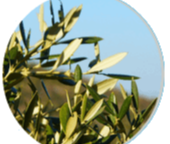
Neuro Serge olive leaf extract ingredient

Olive Leaf Extract

Olea europaea
What it is
Extract of olive tree leaf, usually standardised for the phenolic compound oleuropein.
Why it appears
Listed first in the official product materials and associated with heart health and blood sugar.
What has been studied
Randomised trials of phenolic-rich olive leaf extract against blood pressure and lipid markers [1], and systematic reviews of olive polyphenols in cognition and neurodegeneration [2].
Limitations
Cognitive findings come mostly from dietary-pattern and laboratory work, not from olive leaf capsules.
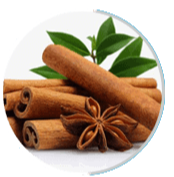
Neuro Serge Cinnamomum cassia cinnamon bark ingredient

Cinnamomum Cassia

Cinnamon bark
What it is
Cassia cinnamon bark. Main studied constituent is cinnamaldehyde; cassia also contains coumarin.
Why it appears
Associated in the official product materials with inflammatory response, heart health and insulin levels.
What has been studied
Dose-response meta-analyses of glycaemic and cardiometabolic markers [3]. Cognitive work on cinnamaldehyde is largely in animal models [4].
Limitations
Human cognitive effects are not established. Coumarin content varies between cassia sources.
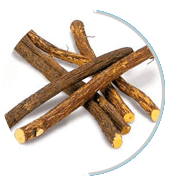
Neuro Serge deglycyrrhizinated licorice DGL ingredient

Deglycyrrhizinated Licorice

Glycyrrhiza glabra (DGL)
What it is
Licorice root extract with most of the glycyrrhizin removed — the compound behind licorice's blood-pressure effects.
Why it appears
Associated in the official product materials with stress management and inflammatory response.
What has been studied
The largest clinical literature is a safety one: meta-analysis links regular licorice intake to raised blood pressure and lowered potassium [5].
Limitations
Residual glycyrrhizin content is not disclosed for this product. Cognitive benefit in humans is not established.
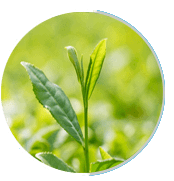
Neuro Serge green tea extract ingredient

Green Tea Extract

Camellia sinensis
What it is
Concentrated green tea leaf extract rich in catechins, principally EGCG. May carry caffeine and L-theanine depending on processing.
Why it appears
Associated in the official product materials with heart health and brain benefit.
What has been studied
The most direct cognitive evidence of the six: a meta-analysis of tea intake and cognitive function [6], and a controlled neuroimaging study of working memory [7].
Limitations
Concentrated extracts carry a documented, rare liver-injury signal [8]. See the safety section.
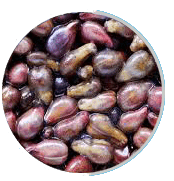
Neuro Serge grape seed extract ingredient

Grape Seed Extract

Vitis vinifera
What it is
Grape seed extract rich in oligomeric proanthocyanidins, a polyphenol class studied mainly for vascular effects.
Why it appears
Associated in the official product materials with blood pressure, blood flow and oxidative damage.
What has been studied
Meta-analysis of vascular endpoints including flow-mediated dilation [9], plus one placebo-controlled cognitive trial in healthy young adults [10].
Limitations
Proanthocyanidin content varies widely between products; the cognitive evidence is a single narrow trial.
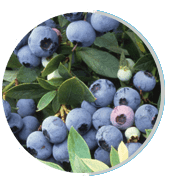
Neuro Serge bilberry extract ingredient

Bilberry Extract

Vaccinium myrtillus
What it is
European blueberry extract standardised for anthocyanins, the pigments in dark berries.
Why it appears
Associated in the official product materials with vision, inflammatory response and blood sugar.
What has been studied
Anthocyanins as a class have been meta-analysed for cognition [11]. Bilberry's own strongest human trials concern eye function [12].
Limitations
Most cognitive trials used berry juices or whole-diet anthocyanin intake, not a capsule inside a blend.

How the Neuro Serge Formula Is Structured

What is the Neuro Serge proprietary blend?

A proprietary blend groups several ingredients under one combined weight, so individual amounts stay undisclosed. Neuro Serge is described as a blend of 20+ plants and nutrients, of which six are named. The rest of the composition, and every individual dose, is not published.

Three categories of information get blurred together in supplement marketing, and separating them is the single most useful thing a reader can do:

  • Verified product facts — the 60-capsule count, the six named ingredients, the package structure. These can be checked against the label and the official order page.
  • Marketing positioning — "20+ plants and nutrients", the focus and clarity themes. These are claims made by the company about its own product.
  • Ingredient-level research — published studies on olive leaf, green tea and so on. This is real science about those plants, conducted at disclosed doses, in defined populations, and almost always on a single ingredient at a time.

None of those categories converts into another. Research on grape seed extract is not evidence about Neuro Serge. Analysts examining supplement labelling have made the point plainly: undisclosed blend composition limits what anyone can conclude about a product [13].

On the complete formula: the available materials describe a proprietary blend of 20+ plants and nutrients without listing them. We have not guessed at the remainder and we have not published a milligram figure for anything. Refer to the current Supplement Facts label for the latest ingredient amounts.

How Cognitive Function Works

"Cognitive function" is not one capacity. Attention selects and sustains focus. Working memory holds information over seconds; long-term memory encodes and retrieves it over much longer spans. Processing speed is among the capacities most sensitive to age, and executive function covers planning, task switching and inhibition. These move independently of one another.

"Mental performance" is a composite of all of them, sitting on top of factors that are not cognitive at all — sleep, stress, illness, mood, medication — which is why single-cause explanations for feeling mentally dull are usually wrong.

Circulation

The brain holds almost no energy reserve and depends on continuous blood flow. Supply is actively matched to local activity, and disruption of that coupling is studied in vascular ageing and cognitive decline [14]. Because circulation genuinely matters, ingredients with vascular research behind them appear often in this category.

Oxidative stress

Oxidative stress is an imbalance between reactive oxygen species — ordinary by-products of energy metabolism — and the body's antioxidant defences. Reactive species are not simply harmful; they also act as signalling molecules. Polyphenols are studied heavily here, though their effects in the body appear to involve cell signalling rather than simple free-radical scavenging.

What Research Says About the Ingredients

What does research say about the Neuro Serge ingredients?

Each of the six named ingredients has a published literature of varying quality. Green tea has the most direct human cognitive research; grape seed and olive leaf have vascular trial evidence; cinnamon has metabolic meta-analyses; anthocyanins have cognitive meta-analyses; licorice has a substantial safety literature. None of it tested the finished Neuro Serge formula.

That last sentence is the crux. A study showing green tea extract altering brain connectivity during a working-memory task [7] tells you about green tea extract at the dose used in that study. It tells you nothing about a capsule containing an undisclosed fraction of it alongside twenty other components. Pooled analyses of polyphenol trials [15] read far more cautiously than supplement marketing does.

We found no peer-reviewed randomised controlled trial of the finished formulation. Where a study is preclinical, we say so; where a finding concerns a metabolic or vascular endpoint rather than a cognitive one, we say that too.

Scientific Reference Disclaimer: Research cited on this website provides general educational information about brain health, cognitive function, botanical ingredients, antioxidant activity, circulation and related topics. Unless explicitly stated, these studies did not test the finished Neuro Serge product and should not be interpreted as proof of product effectiveness.

Is Neuro Serge a Medication?

Is Neuro Serge a medication?

No. Neuro Serge is positioned and sold as a dietary supplement, not a prescription medication. It is not intended to diagnose, treat, cure or prevent any disease, and it is not a substitute for prescribed treatment. In the United States the FDA does not approve dietary supplements for safety or effectiveness before sale, so no supplement can accurately be called FDA approved.

Do not stop, reduce or replace any prescribed medication because you have started a supplement. That decision belongs with the clinician who prescribed it.

How Neuro Serge Is Used

How should Neuro Serge be taken?

The official instruction is to take the capsules with water. Package supply lengths — 60 capsules treated as a 30-day supply — correspond to a two-capsule daily serving. Follow the directions printed on the Supplement Facts panel of the bottle you receive; that label is the authoritative source.

Taking capsules with food and water is sensible practice with concentrated botanical extracts and can reduce stomach discomfort. Exceeding the labelled serving does not accelerate results and can raise risk — particularly for concentrated green tea extract, where intake matters for liver safety [8]. Store sealed, out of sunlight and away from children.

Neuro Serge Safety Information

Plant-derived does not mean risk-free. Three specific considerations follow from the ingredients that are publicly named.

Concentrated green tea extract. Green tea as a drink has an excellent safety record; concentrated extract is a different exposure. A United States Pharmacopeia review of liver-injury case reports concluded a cautionary statement was warranted [8]. Stop and seek medical advice if you develop unusual fatigue, abdominal pain, dark urine or yellowing of the skin or eyes.

Licorice. Regular licorice intake is associated with raised blood pressure and lowered potassium [5]. Deglycyrrhizination is intended to reduce that risk, but the residual content here is not disclosed.

Interactions. Botanical extracts can interact with prescription medicines, and reviews document clinically meaningful examples in older adults [16]. Talk to a doctor or pharmacist first if you take any prescription medication — especially blood-pressure, anticoagulant, antiplatelet or diabetes medication — have liver disease or another chronic condition, are pregnant or breastfeeding, have plant allergies, or are under 18.

Who May Want to Learn More About Neuro Serge?

Realistically, this product suits a generally healthy adult who is curious about botanical supplements for everyday cognitive wellness, who is comfortable with the fact that the doses are undisclosed, and for whom the cost is discretionary. The unusually long refund window means someone in that position can try it with limited financial exposure, provided they read the terms first.

It is a poor fit for anyone hoping to address a diagnosed condition, and it is no substitute for medical assessment of a genuine change in memory or thinking. It is also the wrong choice for anyone who wants to know exactly what they are taking — a fully disclosed label from another manufacturer would serve that person better.

Depending on what brought you here, these pages go further: what is actually in the formula, how cognitive function works and what the research shows, whether the product is worth considering, or what it costs and how the guarantee works.

Frequently Asked Questions

What is Neuro Serge?

Neuro Serge is a capsule dietary supplement marketed for brain support. Each bottle holds 60 capsules, and the official product materials describe the contents as a proprietary blend of more than 20 plants and nutrients.

What ingredients are in Neuro Serge?

Six are named publicly: olive leaf extract, Cinnamomum cassia, deglycyrrhizinated licorice, green tea extract, grape seed extract and bilberry extract. The rest of the stated 20+ ingredient blend is not disclosed. Refer to the current Supplement Facts label for the latest ingredient amounts.

How many capsules are in Neuro Serge?

60 capsules per bottle, as printed on the product label.

What is the Neuro Serge proprietary blend?

A proprietary blend lists several ingredients under a single combined weight, so individual amounts are not disclosed. It means you cannot compare the quantity in the product against the doses used in published research.

Is Neuro Serge a medication?

No. It is a dietary supplement, not a prescription medicine, and it is not intended to diagnose, treat, cure or prevent any disease. No dietary supplement is FDA approved, because the FDA does not approve supplements for safety or effectiveness before sale.

How should Neuro Serge be used?

The official instruction is to take the capsules with water. Package supply lengths correspond to a two-capsule daily serving. Follow the directions on the Supplement Facts panel of your bottle, which is the authoritative source.

What does scientific research say about the ingredients?

Each named ingredient has published research of varying quality — green tea has the most direct cognitive evidence, grape seed and olive leaf have vascular trials, cinnamon has metabolic meta-analyses. None of these studies tested the finished Neuro Serge product, so they are not proof that it works.

Final Thoughts

Neuro Serge is a 60-capsule botanical supplement sold for brain support, built around six named plant extracts inside a larger undisclosed blend. The named ingredients are well-characterised plants with genuine research literatures, which is more than many products in this category can show.

The limits are equally clear. Individual amounts are not published, most of the stated 20+ blend is not identified, and no trial has tested the finished formula. That does not make the product bad; it means the appropriate confidence level is lower than a fully disclosed label would justify.

Sources

  1. Lockyer S, et al. Impact of phenolic-rich olive leaf extract on blood pressure, plasma lipids and inflammatory markers: a randomised controlled trial. Eur J Nutr. 2017. PubMed 26951205
  2. Omar SH, Ghani MA. Olive Components in Neurodegenerative Disease Models and Clinical Studies: A Systematic Review of Evidence and Translational Barriers. Biomedicines. 2026. PubMed 42072302
  3. Moridpour AH, et al. Cinnamon supplementation and glycemic control in type 2 diabetes: updated systematic review and dose-response meta-analysis. Phytother Res. 2024. PubMed 37818728
  4. Kato N, et al. Cinnamaldehyde improves the pathology of vascular cognitive impairment via astrocytic TRPA1. J Pharmacol Sci. 2026. Preclinical. PubMed 42303346
  5. Penninkilampi R, Eslick EM, Eslick GD. The association between consistent licorice ingestion, hypertension and hypokalaemia: a systematic review and meta-analysis. J Hum Hypertens. 2017. PubMed 28660884
  6. Zhou S, et al. The Association between Green Tea Consumption and Cognitive Function: A Meta-Analysis of Current Evidence. Neuroepidemiology. 2026. PubMed 39947165
  7. Schmidt A, et al. Green tea extract enhances parieto-frontal connectivity during working memory processing. Psychopharmacology. 2014. PubMed 24643507
  8. Oketch-Rabah HA, et al. United States Pharmacopeia (USP) comprehensive review of the hepatotoxicity of green tea extracts. Toxicol Rep. 2020. PubMed 32140423
  9. Foshati S, et al. Grape seed extract supplementation and flow-mediated dilation, blood pressure and heart rate: systematic review and meta-analysis. Pharmacol Res. 2022. PubMed 34798267
  10. Bell L, et al. Grape seed polyphenol extract and cognitive function in healthy young adults: randomised, placebo-controlled trial. Nutr Neurosci. 2022. PubMed 31942838
  11. Lorzadeh E, et al. The Effect of Anthocyanins on Cognition: A Systematic Review and Meta-analysis of Randomized Clinical Trials. Curr Nutr Rep. 2025. PubMed 39875765
  12. Kosehira M, Machida N, Kitaichi N. A 12-Week-Long Intake of Bilberry Extract Improved Objective Findings of Ciliary Muscle Contraction of the Eye: RCT. Nutrients. 2020. PubMed 32106548
  13. Saldanha LG, et al. Perspectives on the Use of Proprietary Blends in Dietary Supplements. J Nutr. 2023. PubMed 37004873
  14. Bu F, et al. Inflammaging and neurovascular unit dysfunction in cognitive ageing. Front Aging Neurosci. 2026. PubMed 42516874
  15. Wang X, et al. Polyphenol consumption and neurodegeneration risk: systematic meta-analysis of randomized controlled trials. Food Funct. 2026. PubMed 41524705
  16. Changaramkumarath G, et al. Pharmacological Interactions Between Nutritional Supplements and Prescription Medications in Older Adults. Cureus. 2025. PubMed 41103884

Regulatory context: FDA — Dietary Supplements · NCCIH — Green Tea · NCCIH — Licorice Root