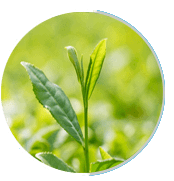
Green Tea Extract
What it is: concentrated Camellia sinensis leaf extract rich in catechins,
principally EGCG; may carry caffeine and L-theanine depending on processing.
Why it is interesting: of the six, this has the most direct human cognitive
research — a meta-analysis linking green tea intake with cognitive measures [1], a
controlled neuroimaging study of working-memory connectivity [2], and meta-analysed
acute trials of tea constituents [3].
Limitations: the meta-analysis rests largely on observational data. The neuroimaging
study was small, acute and in healthy young volunteers. Much of the attention effect in tea trials is
attributable to caffeine and L-theanine rather than catechins alone.
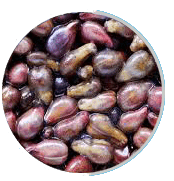
Grape Seed Extract
What it is: Vitis vinifera seed extract rich in oligomeric
proanthocyanidins.
Why it is interesting: meta-analysed vascular endpoints including flow-mediated
dilation [4], plus a placebo-controlled cognitive trial in healthy young adults
[5] — rarer than it sounds, since most nootropic ingredients have no dedicated
cognitive RCT.
Limitations: the vascular meta-analyses measured vascular endpoints, not cognition,
with small pooled effects. The cognitive trial is one study in a narrow population, and proanthocyanidin
content varies enormously between extracts.
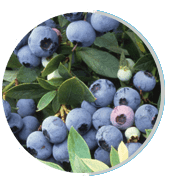
Bilberry Extract
What it is: Vaccinium myrtillus extract standardised for anthocyanins.
Why it is interesting: anthocyanins as a class have been meta-analysed for cognitive
outcomes in both healthy and cognitively impaired adults [6], and a multi-centre
randomised trial has tested anthocyanin intake in older adults [7].
Limitations: findings are mixed and modest, and most trials delivered anthocyanins as
juices or whole-diet intake rather than a capsule inside a blend. Bilberry's strongest human evidence
concerns eye outcomes, not memory.
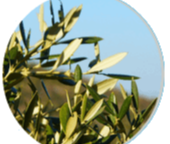
Olive Leaf Extract
What it is: Olea europaea leaf extract, typically standardised for
oleuropein.
Why it is interesting: randomised trials have tested phenolic-rich olive leaf
extract against blood pressure and lipid markers [8], and a systematic review has
examined olive polyphenols across neurodegenerative models and clinical studies [9].
Limitations: those trials measured cardiovascular markers, not cognition, and the
review's own framing is that translation to clinical benefit remains unresolved.

Cinnamomum Cassia
What it is: cassia cinnamon bark; main studied constituent cinnamaldehyde. Also
contains coumarin, which is why intake limits exist for cassia.
Why it is interesting: cinnamon is among the more heavily trialled culinary
botanicals, with dose-response meta-analyses of glycaemic and cardiometabolic markers
[10].
Limitations: this is the weakest cognitive case of the six. The metabolic trials
were conducted in people with type 2 diabetes and say nothing about cognition. Work linking
cinnamaldehyde to cognitive outcomes is in animal models [11].
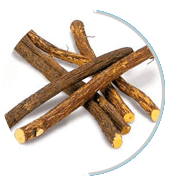
Deglycyrrhizinated Licorice (DGL)
What it is: licorice root extract with most glycyrrhizin removed — the compound
behind licorice's effects on blood pressure and potassium.
Why it is interesting: the deglycyrrhizinated form is a deliberate safety choice by
the formulator, which is a point in the formula's favour.
Limitations: the largest clinical literature on licorice is a safety literature, not
an efficacy one — meta-analysis links consistent intake to raised blood pressure and lowered potassium
[12]. Cognitive benefit in humans is not established, and the residual glycyrrhizin
content of this product is not disclosed.