Dietary supplement · Brain support

Neuro Serge™ – Brain Support for Memory, Focus & Mental Clarity

Neuro Serge is a capsule dietary supplement marketed for brain support. This page sets out what the official product materials actually say, what published research exists on the botanical ingredients they name, and — just as importantly — where that evidence stops. Nothing here is a medical claim.

Per bottle
60 capsules
Product type
Dietary supplement
Refund window
180 days
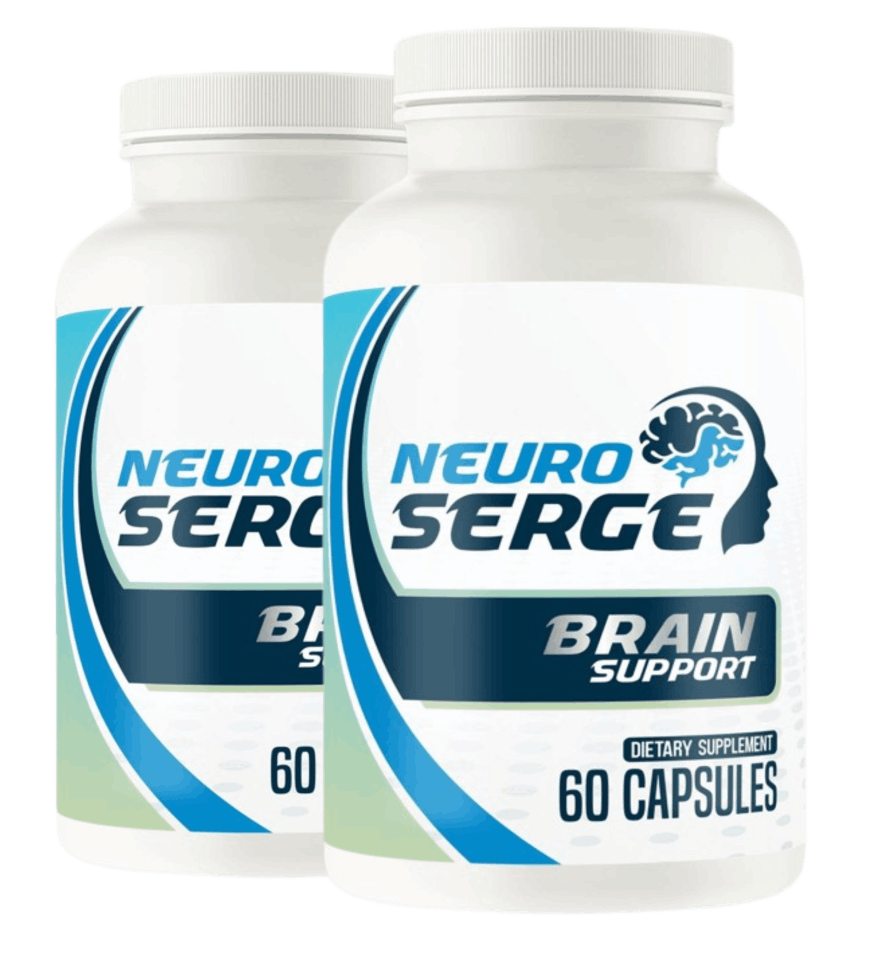
Two bottles of Neuro Serge brain support dietary supplement, 60 capsules each
Product overview

What Is Neuro Serge?

What is Neuro Serge?

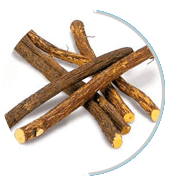
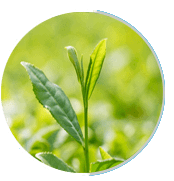
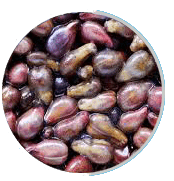
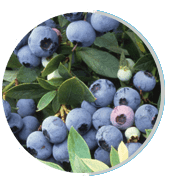
Neuro Serge is a capsule dietary supplement sold online and marketed for brain support. Each bottle contains 60 capsules, and the label describes the product as a "Brain Support" dietary supplement. The official product materials describe the contents as a proprietary blend of more than 20 plants and nutrients, and names six of them publicly: olive leaf, Cinnamomum cassia, deglycyrrhizinated licorice, green tea extract, grape seed extract and bilberry extract.

Everything above comes from two sources we can check directly: the product label as photographed on the packaging, and the official order page. That distinction matters throughout this guide. A supplement website can tell you what is in a bottle and what the company hopes it will do for you; it cannot, on its own, tell you whether the finished formula has been tested. So we have separated the two kinds of statement everywhere on this page.

Neuro Serge is not a medicine. In the United States, dietary supplements are regulated under a different framework from drugs: manufacturers are responsible for the safety and labelling of their products, and the U.S. Food and Drug Administration does not approve supplements for safety or effectiveness before they go on sale. Any product claiming to treat, cure or prevent a disease would be making a drug claim, and Neuro Serge is not sold on that basis.

How to read this page. Statements sourced from the official product materials are introduced as such ("the official materials state…"). Statements about scientific research describe studies on individual ingredients or on general physiology — not on the finished Neuro Serge product. Where something could not be verified, we say so rather than filling the gap.

Positioning

What Is Neuro Serge Designed to Support?

These are the areas the product is marketed around. They are marketing positioning, not demonstrated outcomes.

Focus and attention

The product is positioned for people who want support with sustained attention during work or study. Attention is not a single faculty — it covers alerting, orienting and executive control, and it responds strongly to sleep, stress and workload before any supplement enters the picture.

Memory and recall

Marketed for everyday memory support. Ordinary lapses — a misplaced name, a forgotten errand — are common at every age and are not in themselves a sign of disease. A supplement is not a diagnostic tool and cannot tell you why memory feels different.

Mental clarity

"Brain fog" is a description people use for dull, effortful thinking. It is a symptom description rather than a clinical diagnosis, and it has many possible drivers — sleep debt, illness, medication, mood, dehydration — that deserve attention in their own right.

Circulation and blood flow

Several of the named botanicals have been studied in relation to vascular function. Circulation is genuinely relevant to brain physiology, but vascular research on an extract is not the same thing as evidence that a finished capsule changes how you think.

Antioxidant activity

The blend is built around polyphenol-rich plant extracts. Antioxidant activity is measurable in the laboratory; whether a given intake changes a health outcome in people is a separate and much harder question.

Daily routine use

Packages are sold as 60-, 90- and 180-day supplies, and the official product materials recommend using it consistently for three to six months. That is a usage recommendation from the vendor, not a research finding.

What Neuro Serge is not marketed to do. It is not a treatment for Alzheimer's disease, dementia, Parkinson's disease, stroke, depression, anxiety, ADHD or any other diagnosed condition, and it is not a substitute for prescription medication or for care from a qualified clinician. If you are worried about a change in memory or thinking, that is a conversation to have with a healthcare professional.

Formula

Neuro Serge Ingredients

Six ingredients are named in the official product materials. Amounts are not disclosed publicly.

What ingredients are in Neuro Serge?

The official materials name six ingredients: olive leaf, Cinnamomum cassia (cinnamon bark), deglycyrrhizinated licorice (DGL), green tea extract, grape seed extract and bilberry extract. The same materials describe the formula as a proprietary blend of "20+ plants and nutrients", which means at least fourteen further components are not disclosed on the public sales page.

Olive leaf ingredient in Neuro Serge

Olive Leaf

Olea europaea
What it is
An extract of the olive tree leaf, standardised in most commercial products for oleuropein, a phenolic compound also found in olives and olive oil.
Why it appears here
The official product materials list it first and associate it with heart health and blood-sugar support.
What researchers have studied
Randomised trials have tested phenolic-rich olive leaf extract against blood pressure and lipid markers in adults. Separately, systematic reviews have examined olive-derived polyphenols in relation to cognition and neurodegeneration.
What the evidence suggests
Controlled trials report modest effects on cardiovascular markers in some populations, with variation between studies. Cognitive findings come largely from dietary-pattern and laboratory work rather than trials of olive leaf capsules.
Limitations
Extracts differ widely in oleuropein content; trial doses are not comparable to an undisclosed blend. No study reviewed here tested Neuro Serge.
Research: 1, 2, 3, 4, 5
Cinnamomum cassia cinnamon bark ingredient in Neuro Serge

Cinnamomum cassia

Cinnamon bark
What it is
Cassia cinnamon bark, the common culinary cinnamon. Its best-studied constituent is cinnamaldehyde. Cassia also contains coumarin, which matters for intake limits.
Why it appears here
The official product materials associate it with a healthy inflammatory response, heart health and insulin levels.
What researchers have studied
Cinnamon is one of the more heavily trialled culinary botanicals for glycaemic and cardiometabolic markers, with several dose-response meta-analyses. Work on cinnamaldehyde and cognition exists but is overwhelmingly in cell and animal models.
What the evidence suggests
Meta-analyses report small improvements in some metabolic markers, with heterogeneity between trials and cautious certainty ratings. Cognitive effects in humans are not established.
Limitations
Animal findings do not transfer directly to people. Coumarin content varies between cassia sources and is a reason not to treat "more" as better.
Research: 6, 7, 8, 9
Deglycyrrhizinated licorice DGL ingredient in Neuro Serge

Deglycyrrhizinated Licorice

Glycyrrhiza glabra (DGL)
What it is
Licorice root extract from which most of the glycyrrhizin has been removed. That removal is the whole point of the "DGL" designation: glycyrrhizin is the compound behind licorice's effects on blood pressure and potassium.
Why it appears here
The official product materials associate it with stress management and a healthy inflammatory response.
What researchers have studied
The largest clinical literature on licorice concerns glycyrrhizin's effect on blood pressure and potassium — a safety literature. Neuroprotective work on Glycyrrhiza constituents is preclinical.
What the evidence suggests
A meta-analysis links consistent licorice ingestion with raised blood pressure and lowered potassium; deglycyrrhizination is intended to reduce that risk. Cognitive benefit in humans is not established.
Limitations
The degree of glycyrrhizin removal is not disclosed for this product. If you take blood-pressure or potassium-affecting medication, raise this with your clinician.
Research: 10, 11, 12, 13
Green tea extract ingredient in Neuro Serge

Green Tea Extract

Camellia sinensis
What it is
A concentrated extract of green tea leaf, rich in catechins — principally epigallocatechin-3-gallate (EGCG). Depending on how it is made, it may also carry caffeine and L-theanine.
Why it appears here
The official product materials associate it with heart health and brain benefit.
What researchers have studied
This is the best-studied ingredient in the named list for cognition specifically: observational meta-analysis of tea consumption and cognitive function, a controlled neuroimaging study of green tea extract during working-memory tasks, and meta-analysed acute trials of individual tea constituents.
What the evidence suggests
Signals exist, particularly for acute effects of caffeine and L-theanine, but effects attributed specifically to catechins in isolation are smaller and less consistent.
Limitations
Concentrated green tea extracts carry a documented, rare risk of liver injury, which is why intake and product form matter. See the safety section below.
Research: 14, 15, 16, 17, 18
Grape seed extract ingredient in Neuro Serge

Grape Seed Extract

Vitis vinifera
What it is
An extract of grape seeds, rich in oligomeric proanthocyanidins — a class of polyphenol studied mainly for vascular effects.
Why it appears here
The official product materials associate it with healthy blood pressure, healthy blood flow and oxidative damage.
What researchers have studied
Two independent meta-analyses of randomised trials have examined grape seed extract and blood pressure, one also covering flow-mediated dilation. A placebo-controlled trial has tested grape seed polyphenol extract against cognitive outcomes in healthy young adults.
What the evidence suggests
Meta-analyses report small blood-pressure changes in pooled analyses. The cognitive trial is one study in one narrow population — a starting point, not a conclusion.
Limitations
Proanthocyanidin content varies enormously between products, and none of this research used the Neuro Serge blend.
Research: 19, 20, 21
Bilberry extract ingredient in Neuro Serge

Bilberry Extract

Vaccinium myrtillus
What it is
An extract of the European blueberry, standardised for anthocyanins — the pigments that give dark berries their colour.
Why it appears here
The official product materials associate it with vision, a healthy inflammatory response and blood sugar.
What researchers have studied
Anthocyanins as a class have been meta-analysed for cognitive outcomes, and a multi-centre randomised trial has tested anthocyanin intake in older adults. Bilberry specifically has randomised trials in eye function and one trial combining bilberry and red grape juice in older men with subjective memory complaints.
What the evidence suggests
Anthocyanin cognitive findings are mixed and modest; the strongest bilberry-specific human data concern eye-related outcomes rather than memory.
Limitations
Most cognitive trials use berry juices or whole-diet anthocyanin intake, not a bilberry capsule inside a multi-ingredient blend.
Research: 22, 23, 24, 25
Label transparency

Understanding the Neuro Serge Formula

What is a proprietary blend?

A proprietary blend is a group of ingredients listed on a supplement label under a single combined weight, so the amount of each individual ingredient is not disclosed. It is legal in the United States. Its practical consequence is that a buyer cannot compare the dose in the product against the doses used in published research, and cannot tell whether an ingredient is present in a meaningful quantity or as a token amount.

Neuro Serge is described in the official product materials as a proprietary blend of "20+ plants and nutrients". Six are named publicly. That leaves the majority of the formula undisclosed on the sales page, and we are not going to guess at it. Inventing a plausible-looking ingredient list would be the single most misleading thing this page could do.

The honest position on the full formula: the available product materials describe a proprietary blend of 20+ plants and nutrients. Refer to the current Supplement Facts label on the bottle you receive for the complete ingredient list and the latest amounts. That label — not any website, including this one — is the authoritative source.

The same applies to individual doses. We have not published a milligram figure for any ingredient in this product, because none is publicly disclosed. Where research is described on this page, we have described the study's dose context rather than implying the product matches it. Researchers examining supplement labelling have made the point directly: undisclosed blend composition limits what consumers and clinicians can reasonably conclude about a product [29].

None of this makes a proprietary blend inherently bad. Formulators use them for genuine commercial reasons. It simply means the appropriate level of confidence is lower than for a fully disclosed label, and a page like this one should say so rather than paper over it.

Background

How Brain Health and Cognitive Function Work

Before any discussion of supplements is useful, it helps to be concrete about what "cognitive function" actually refers to. It is not one thing. Researchers generally separate several distinct capacities, and they can move independently of one another.

Attention is the capacity to select and sustain focus on relevant information while suppressing everything else. Working memory is the short-term holding and manipulation of information — keeping a phone number in mind while you find a pen. Long-term memory covers encoding, storing and retrieving information over hours to decades. Processing speed is how quickly you can carry out a straightforward mental operation, and it is one of the capacities most sensitive to age. Executive function covers planning, switching between tasks and inhibiting an automatic response.

"Mental performance" in everyday language is usually a composite of these, layered on top of things that are not cognitive at all: how well you slept, how much stress you are carrying, whether you have eaten, whether you are unwell, and what medications you take. This is why single-cause explanations for feeling mentally dull are almost always too simple — and why any product marketed against that feeling should be read carefully.

What is brain fog?

"Brain fog" is not a clinical diagnosis. It is a description people reach for when thinking feels slow, effortful or unclear. Because it is a description rather than a disease, it does not have a single cause or a single fix. Sleep deprivation produces it reliably. So do acute illness, dehydration, certain medications, low mood, chronic stress and the aftermath of some infections. Treating persistent brain fog as a problem to be solved with a capsule risks missing something that deserves proper attention.

How botanical ingredients get studied

Botanical research typically moves through stages, and the stage matters enormously for how much weight a finding deserves. It usually begins in a test tube, where a compound is applied directly to cells at concentrations that may never occur in a human body. It moves to animal models, which introduce a living system but not a human one. Only then does it reach human trials — and human trials range from small single-dose crossover studies to large, long, randomised, placebo-controlled trials. Systematic reviews and meta-analyses then attempt to pool what the human trials collectively show.

When you see a bold claim about a plant extract, the useful question is: at which stage did that finding come from, and in whom? A great deal of confident supplement marketing rests on cell-culture and rodent work that was never designed to support a consumer claim.
Physiology

Brain Circulation and Cognitive Function

How does circulation relate to cognitive function?

The brain has almost no energy reserve of its own. It depends on a continuous blood supply to deliver oxygen and glucose and to clear metabolic waste. Blood flow is also actively matched to local activity: when a region of the brain becomes more active, nearby vessels dilate to increase supply. This coupling is a normal feature of healthy brain physiology, and researchers study its disruption in the context of vascular ageing and cognitive decline [27].

Because circulation genuinely is relevant to brain function, ingredients with any vascular research behind them tend to feature prominently in brain-support marketing. Several of the botanicals named in Neuro Serge do have that kind of research: grape seed extract has been meta-analysed against blood pressure and flow-mediated dilation [20][21], and olive leaf extract has been tested in randomised trials against blood-pressure and lipid markers [1][2].

Here is where the reasoning has to slow down. A measurable change in a vascular marker in a trial is not the same as a measurable change in how a person thinks, and neither is the same as a benefit from a capsule containing an undisclosed fraction of that extract alongside twenty other things. Each of those steps is a real inferential leap, and marketing copy routinely takes all three at once. This page does not.

Physiology

Oxidative Stress and Brain Health

How does oxidative stress relate to brain health?

Oxidative stress describes an imbalance between reactive oxygen species — normal by-products of cellular energy production — and the body's own antioxidant defences. The brain is often described as vulnerable to this imbalance because of its high oxygen consumption, its lipid-rich membranes and its limited capacity to replace neurons. Redox biology is an active area of research in ageing and neurodegeneration [28].

Reactive oxygen species are not simply villains. They serve as signalling molecules, and the body maintains its own enzymatic antioxidant systems. The research question is not "how do I eliminate oxidation?" but how the balance shifts with age, illness and lifestyle, and whether dietary compounds meaningfully influence it in people.

Polyphenols — the compound class that dominates the named Neuro Serge ingredients — are studied heavily in this context. They demonstrate antioxidant activity in laboratory assays, though in the body their effects appear to involve cell signalling and metabolism rather than simple free-radical scavenging. Pooled analyses of randomised polyphenol trials against cognitive and neurodegenerative outcomes exist [26], and their conclusions are consistently more cautious than supplement marketing would suggest.

It is worth stating plainly: high antioxidant activity in a test tube has repeatedly failed to translate into health outcomes in large human trials of isolated antioxidants. That history is a good reason to treat "rich in antioxidants" as a description of chemistry, not a promise about your brain.

Marketed use

Neuro Serge and Mental Clarity

The product is marketed to people who feel mentally foggy and want support. What can honestly be said is this: the formula is built around polyphenol-rich botanical extracts, several of which have been studied in relation to vascular function and oxidative balance, and both of those systems are relevant to brain physiology.

What cannot honestly be said is that taking Neuro Serge will lift brain fog. No published trial has tested the finished formula against clarity, alertness or any other cognitive endpoint. Anyone experiencing persistent mental fogginess is better served by looking first at sleep, stress, medication and underlying health — and by talking to a clinician — than by assuming a supplement will resolve it.

Marketed use

Neuro Serge and Focus & Memory Support

Of the six named ingredients, green tea extract has the most direct human cognitive research behind it. A controlled neuroimaging study found altered parieto-frontal connectivity during working-memory processing after green tea extract [15], and meta-analysed acute trials of tea constituents report effects on attention and mood [16]. Grape seed polyphenol extract has one placebo-controlled cognitive trial in healthy young adults [19], and anthocyanins have been meta-analysed for cognitive outcomes [22].

Every one of those studies used a defined, disclosed dose of a single ingredient. Neuro Serge discloses neither. That gap is the reason this page describes research rather than promising results.

Evidence

What Scientific Research Says

Selected peer-reviewed studies on the ingredients named in Neuro Serge and on the underlying physiology. Every reference below was verified in PubMed before publication.

Product-specific clinical evidence status: we found no peer-reviewed randomised controlled trial testing the finished Neuro Serge formulation. The literature summarised here concerns individual ingredients or general physiological mechanisms. Ingredient-level research should not be interpreted as clinical evidence that the finished Neuro Serge product produces the same effects.

Green teaMeta-analysis

The Association between Green Tea Consumption and Cognitive Function: A Meta-Analysis of Current Evidence

Zhou S, Zhu Y, Ren N, et al. · Neuroepidemiology · 2026

What it examined
Pooled published evidence on green tea intake and cognitive function across populations.
Main finding
The pooled analysis reports an association between green tea consumption and cognitive measures.
Evidence limitation
Largely observational input data: association is not causation, tea drinking clusters with other habits, and drinking tea is not the same exposure as a concentrated capsule extract.
Read research →
Green teaControlled human trial

Green tea extract enhances parieto-frontal connectivity during working memory processing

Schmidt A, Hammann F, Wölnerhanssen B, et al. · Psychopharmacology · 2014

What it examined
Brain connectivity during a working-memory task after green tea extract, measured with functional neuroimaging in healthy volunteers.
Main finding
Green tea extract was associated with increased parieto-frontal connectivity during working-memory processing, alongside task performance changes.
Evidence limitation
Small, acute, in healthy young volunteers. A connectivity change is a mechanistic signal, not a demonstrated real-world memory benefit.
Read research →
Grape seedRandomised controlled trial

Grape seed polyphenol extract and cognitive function in healthy young adults: a randomised, placebo-controlled, parallel-groups acute-on-chronic trial

Bell L, Whyte AR, Lamport DJ, et al. · Nutritional Neuroscience · 2022

What it examined
Cognitive performance in healthy young adults given grape seed polyphenol extract versus placebo, testing both acute and repeated-dose effects.
Main finding
The trial reports cognitive outcome data for a defined grape seed polyphenol preparation against placebo in this population.
Evidence limitation
One trial, healthy young adults, isolated extract at a disclosed dose — none of which describes an older adult taking an undisclosed amount inside a 20-ingredient blend.
Read research →
Grape seedSystematic review & meta-analysis

The effect of grape (Vitis vinifera) seed extract supplementation on flow-mediated dilation, blood pressure, and heart rate

Foshati S, Nouripour F, Sadeghi E, et al. · Pharmacological Research · 2022

What it examined
Controlled trials of grape seed extract against vascular endpoints, with duration- and dose-response analysis.
Main finding
Pooled analysis of controlled trials examining endothelial function and blood pressure outcomes with grape seed extract supplementation.
Evidence limitation
Vascular endpoints only. No cognitive outcomes were assessed, and vascular change cannot be assumed to produce cognitive change.
Read research →
Olive leafRandomised controlled trial

Impact of phenolic-rich olive leaf extract on blood pressure, plasma lipids and inflammatory markers: a randomised controlled trial

Lockyer S, Rowland I, Spencer JPE, et al. · European Journal of Nutrition · 2017

What it examined
A phenolic-rich olive leaf extract versus control against blood pressure, plasma lipids and inflammatory markers in adults.
Main finding
The trial reports effects on cardiovascular risk markers for a standardised olive leaf preparation.
Evidence limitation
Cardiovascular markers, not cognition. Extract composition and dose were defined and disclosed — unlike a proprietary blend.
Read research →
Olive polyphenolsSystematic review

Olive Components (Biophenols or Polyphenols) in Neurodegenerative Disease Models and Clinical Studies: A Systematic Review of Evidence and Translational Barriers

Omar SH, Ghani MA · Biomedicines · 2026

What it examined
Evidence for olive-derived polyphenols across neurodegenerative disease models and clinical studies, with explicit attention to translational barriers.
Main finding
The review catalogues mechanistic evidence while identifying the obstacles to translating it into clinical outcomes.
Evidence limitation
The review's own framing is that translation to human clinical benefit remains unresolved — a caution, not an endorsement.
Read research →
CinnamonSystematic review & meta-analysis

The effect of cinnamon supplementation on glycemic control in patients with type 2 diabetes mellitus: an updated systematic review and dose-response meta-analysis of randomized controlled trials

Moridpour AH, Kavyani Z, Khosravi S, et al. · Phytotherapy Research · 2024

What it examined
Randomised trials of cinnamon supplementation against glycaemic control markers, with dose-response modelling.
Main finding
Pooled analysis of randomised trials reporting glycaemic marker changes with cinnamon supplementation in type 2 diabetes.
Evidence limitation
Conducted in people with type 2 diabetes, measuring metabolic markers. It says nothing about cognition, and nothing about people without diabetes.
Read research →
CinnamonPreclinical (animal)

Cinnamaldehyde improves the pathology of vascular cognitive impairment via astrocytic TRPA1

Kato N, Kawashita A, Nakajima H, et al. · Journal of Pharmacological Sciences · 2026

What it examined
Cinnamaldehyde, a cinnamon constituent, in an animal model of vascular cognitive impairment, investigating an astrocytic TRPA1 mechanism.
Main finding
Reports improvement in model pathology associated with a defined molecular pathway.
Evidence limitation
Animal model. It identifies a mechanism worth investigating; it does not show that cinnamon capsules affect human cognition.
Read research →
Anthocyanins / bilberrySystematic review & meta-analysis

The Effect of Anthocyanins on Cognition: A Systematic Review and Meta-analysis of Randomized Clinical Trial Studies in Cognitively Impaired and Healthy Adults

Lorzadeh E, Weston-Green K, Roodenrys S, et al. · Current Nutrition Reports · 2025

What it examined
Randomised clinical trials of anthocyanin intake against cognitive outcomes in both cognitively impaired and healthy adults.
Main finding
Pooled randomised evidence on anthocyanins and cognitive performance across adult populations.
Evidence limitation
Anthocyanins as a compound class, mostly delivered as juices or whole foods — not bilberry extract inside a multi-ingredient capsule.
Read research →
Licorice safetySystematic review & meta-analysis

The association between consistent licorice ingestion, hypertension and hypokalaemia: a systematic review and meta-analysis

Penninkilampi R, Eslick EM, Eslick GD · Journal of Human Hypertension · 2017

What it examined
Pooled evidence on regular licorice intake and its relationship to blood pressure and serum potassium.
Main finding
Consistent licorice ingestion is associated with raised blood pressure and lowered potassium — the effect attributed to glycyrrhizin.
Evidence limitation
This is the reason deglycyrrhizinated licorice exists. How much glycyrrhizin has been removed from the DGL used in this product is not publicly disclosed.
Read research →
Method

Ingredient-by-Ingredient Research

The detailed ingredient breakdown lives in the ingredients section above: each of the six named ingredients has its own card covering what it is, why it appears in the product materials, what researchers have studied, what the evidence suggests, the limitations of that evidence, and links to the specific numbered references used.

We took a deliberate approach to which research appears on this page. First we established which ingredients are actually named in the official materials for this product. Then we searched PubMed for research on those specific ingredients and on the relevant physiology. We did not include research on nootropic ingredients that are not verified components of this formula — no lion's mane, no bacopa, no ginkgo, no alpha-GPC — because there is no evidence those are in the bottle.

We also did not import ingredient claims from other websites selling similarly named products. A different brand's ingredient list is not evidence about this product, and treating it as such is one of the most common ways supplement information goes wrong online.

Where a study is preclinical, the research card says so. Where a finding concerns a metabolic or vascular endpoint rather than a cognitive one, the card says that too. Both distinctions are load-bearing.

Usage

How to Use Neuro Serge

How many capsules are in a bottle, and how should Neuro Serge be taken?

Each bottle contains 60 capsules. The official packages are sold as a 60-day supply (2 bottles), a 90-day supply (3 bottles) and a 180-day supply (6 bottles) — which means one bottle is treated as a 30-day supply, corresponding to a 2-capsule daily serving. The official instruction is simply to take the capsules with water. Follow the directions printed on the Supplement Facts panel of the bottle you receive, which is the authoritative source for serving size.

A few practical points that follow from that. Taking capsules with water and alongside food is a general good practice for reducing the chance of stomach discomfort with concentrated botanical extracts. Taking more than the labelled serving does not make a supplement work faster and can increase the risk of adverse effects — this is especially relevant for concentrated green tea extract, where intake matters for liver safety [17].

The official product materials recommend using the product for three to six months, which is why the multi-bottle packages exist. That is a commercial recommendation rather than a research-derived duration; no trial has established an optimal duration for this formula, because no trial of this formula exists.

Storage and common sense. Keep the bottle sealed, out of direct sunlight and away from children. Do not use the product past its expiry date. If you experience any reaction you think may be related to the supplement, stop taking it and speak to a healthcare professional.

Before you start

Who Should Talk to a Healthcare Professional?

Dietary supplements are not automatically safe for everyone simply because their ingredients are plant-derived. Reviews of supplement–medication interactions in older adults describe a substantial and under-recognised set of clinically relevant interactions [31], and licorice in particular has documented effects that matter for people on certain medications.

Speak to a doctor, pharmacist or other qualified healthcare professional before using Neuro Serge if any of the following apply to you:

  • You take any prescription medication — this is the broadest and most important category.
  • You take blood-pressure medication, diuretics, or anything affecting potassium levels (relevant to the licorice component [10][11]).
  • You take anticoagulant or antiplatelet medication such as warfarin. Interactions between warfarin and dietary supplements are well documented [30].
  • You take diabetes medication — cinnamon has been studied for glycaemic effects [6], which is a reason for supervision, not a reason for confidence.
  • You have liver disease or a history of liver problems (relevant to concentrated green tea extract [17][18]).
  • You are pregnant, planning pregnancy or breastfeeding.
  • You have any chronic medical condition, or a scheduled surgery.
  • You have known allergies to any plant in the formula, or a history of reactions to botanical supplements.
  • You are under 18.
  • You are sensitive to caffeine. Green tea extract may contain caffeine depending on how it is processed, and the caffeine content of this blend is not publicly disclosed. The official product materials describe the formula as containing no stimulants; if caffeine sensitivity matters to you, check the label and contact the brand directly before ordering.

This page cannot give you individual medical advice, and nothing here is a substitute for a conversation with someone who knows your history and your medication list.

Safety

Neuro Serge Safety & Considerations

Safety, interactions, and who should talk to a healthcare professional

No supplement is universally safe, and we are not going to tell you this one is. What follows are the specific, evidence-backed safety considerations that follow from the ingredients that are publicly named.

Concentrated green tea extract and the liver

Green tea as a beverage has an excellent safety record. Concentrated green tea extracts are a different exposure. A comprehensive United States Pharmacopeia review examined case reports of liver injury associated with green tea extract and concluded that a cautionary statement was warranted [17]; a separate systematic review of green tea and green tea extract consumption in adults reached broadly reassuring conclusions at typical intakes while noting the same signal [18]. The practical implication: do not exceed the labelled serving, take it with food, and stop and seek medical advice if you develop symptoms such as unusual fatigue, abdominal pain, dark urine or yellowing of the skin or eyes.

Licorice, blood pressure and potassium

Regular licorice intake is associated with raised blood pressure and lowered potassium, an effect attributed to glycyrrhizin [10][11], and case reports document pseudohyperaldosteronism from chronic licorice consumption [13]. Deglycyrrhizinated licorice is specifically processed to remove most glycyrrhizin, which is the reason DGL is used in supplements rather than whole licorice root. Because the residual glycyrrhizin content of this product is not publicly disclosed, anyone with hypertension, heart failure, kidney disease or a potassium-sensitive medication regimen should treat this as a point to raise with a clinician.

Cinnamon and coumarin

Cinnamomum cassia naturally contains coumarin, which is why food-safety bodies set tolerable intake guidance for cassia cinnamon. The amount in this product is not disclosed. This is another reason not to exceed the labelled serving or to stack multiple cinnamon-containing supplements.

General considerations

Botanical extracts can interact with prescription medication through effects on drug metabolism and on clotting, and reviews of warfarin–supplement interactions and of supplement use in older adults both document clinically meaningful examples [30][31]. Individual responses to any supplement vary. Allergic reactions to plant extracts are possible. And because the full formula is not publicly disclosed, neither we nor you can screen it against a specific allergy or a specific medication — which is precisely why the Supplement Facts label and a conversation with your pharmacist matter more here than usual.

Transparency

What the Official Materials State About Manufacturing

Only claims we could verify against the official product materials appear below, in the wording those materials actually use.

Manufacturing origin

The official materials state: "Manufactured in the USA from the finest of foreign and domestic ingredients." Note that this wording is not a claim that the ingredients themselves are US-sourced.

Regulatory status

Neuro Serge is a dietary supplement. It is not FDA-approved — the FDA does not approve dietary supplements for safety or effectiveness before sale. Any site presenting an FDA badge for a supplement is misrepresenting how the regulation works.

Certifications

We found no verifiable documentation of GMP or cGMP certification, third-party testing, a certifying body or a certificate number for this product. We have therefore published no certification claim and no certification badge.

Why this section is short. Earlier versions of this website carried "FDA Approved" and "GMP Certified" badges. Neither claim could be substantiated, and an FDA-approval claim for a dietary supplement is inaccurate as a matter of regulation. Both have been removed rather than reworded. The official product site carries the standard disclaimer that statements have not been evaluated by the Food and Drug Administration.

Purchase information

Neuro Serge Pricing & Purchase Information

Prices below were verified against the official order page. Pricing can change at any time — the checkout page is always authoritative.

2 Bottles

60-day supply
Neuro Serge 2 bottle package, 60 day supply
$79
per bottle
  • 2 bottles · 120 capsules
  • Shipping charged separately
Total: $158
Check this offer

3 Bottles

90-day supply
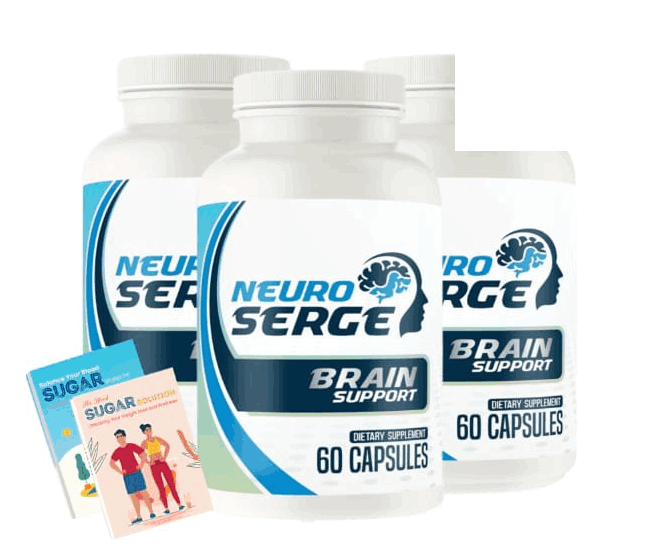
Neuro Serge 3 bottle package with two bonus e-books, 90 day supply
$69
per bottle
  • 3 bottles · 180 capsules
  • Free shipping
  • Free bonuses included
Total: $207
Check this offer
How much does Neuro Serge cost, and where can I buy it?

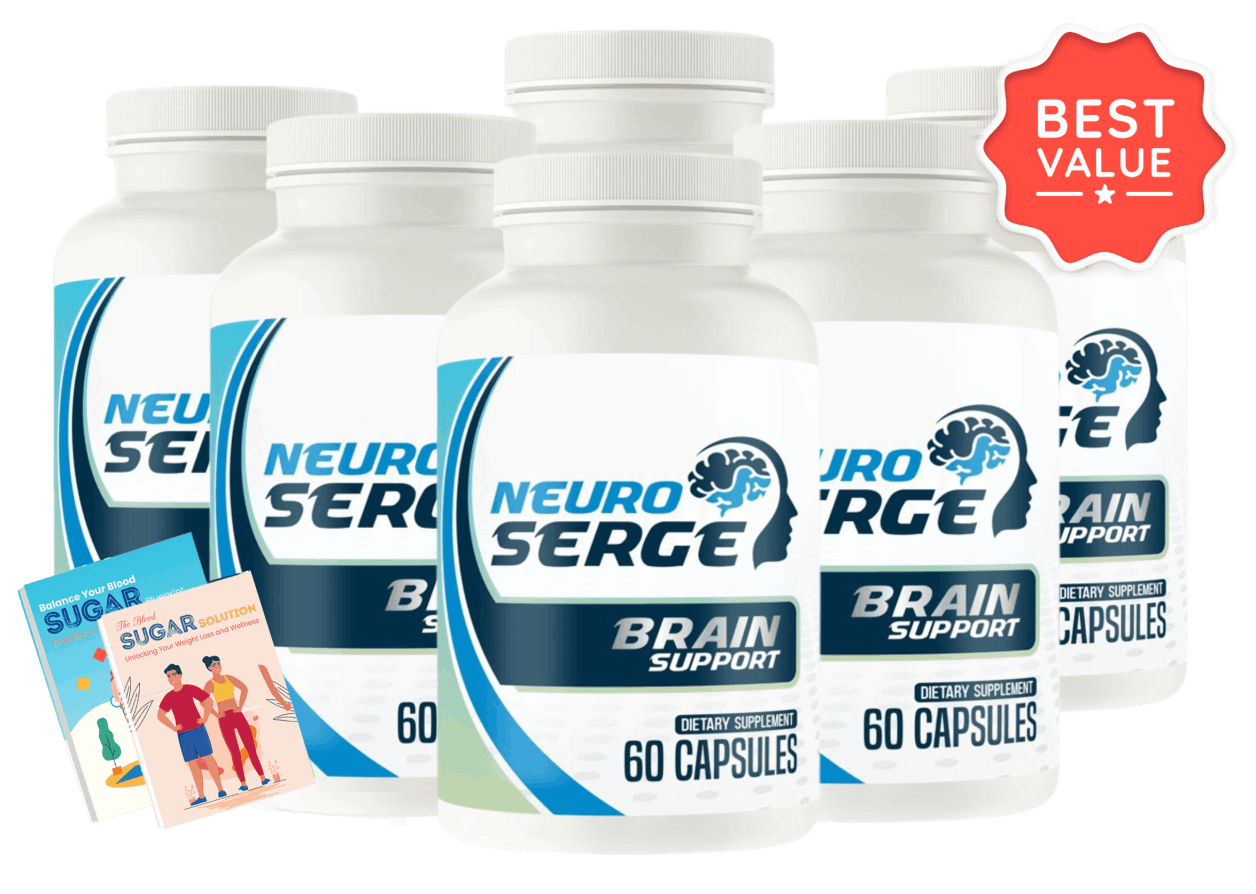
At the time of writing, the official order page lists three packages: 2 bottles at $79 per bottle ($158 total, plus shipping), 3 bottles at $69 per bottle ($207 total, free shipping) and 6 bottles at $49 per bottle ($294 total, free shipping). Orders are handled through ClickBank as the retailer. Prices, shipping terms and bonus offers are set on the official product page and can change without notice, so treat the checkout page as the source of truth.

Shipping

The official FAQ states that orders are shipped the same day they are received, that US customers can expect delivery in 7 to 10 business days, and that delivery outside the US takes longer depending on local carriers. International orders attract shipping fees.

Payment

The official FAQ states that the order is a one-time payment with no auto-ship subscription and no hidden charges. Verify this at checkout before completing any purchase — that is good practice for any online order, regardless of what a page says.

On "regular prices" and discount percentages. Earlier versions of this page displayed a $199 regular price and a "78% discount". We could not verify either figure, and the official materials use different comparison figures in different places. Unverifiable reference prices and discount percentages have been removed rather than reproduced. The prices above are the actual amounts charged.

Refunds

The 180-Day Money-Back Guarantee

180 day money back guarantee seal for Neuro Serge

The official materials state that every order is covered by a 180-day money-back guarantee, and that a customer who is not satisfied can write in within 180 days for a full refund. The official FAQ adds that a refund can be requested by returning what has not been used.

Refund requests are handled by the brand and by ClickBank as the retailer of record. Contact details for product support and order support are published on the official site. We have not published a refund email address here, because we could not verify one — use the contact routes on the official order page.

We have not reproduced any "no questions asked" wording as a guarantee of the process, because the precise refund terms are set by the brand and the retailer and should be read at the point of purchase.

Included extras

Bonuses Included With 3- and 6-Bottle Orders

The official materials state that free bonus material is included with 3-bottle and 6-bottle packages. Two bonus e-books appear in the product graphics used across this site:

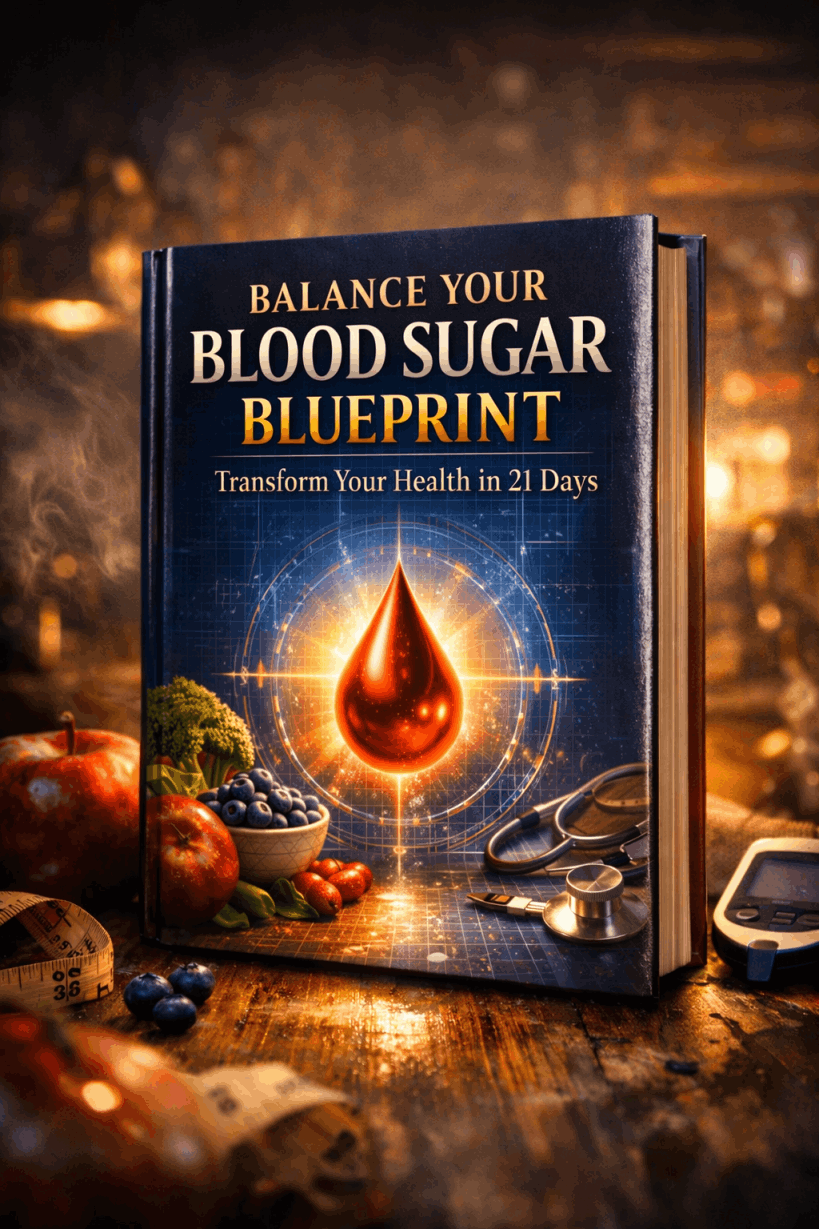
Bonus e-book: Balance Your Blood Sugar Blueprint

Bonus #1 — Balance Your Blood Sugar Blueprint

Described in the official product materials as a 21-day guide using everyday kitchen ingredients. It is a general lifestyle e-book, not a clinical programme, and it is not a treatment for diabetes or any other condition.

Bonus e-book: The Blood Sugar Solution

Bonus #2 — The Blood Sugar Solution

Described in the official product materials as a guide covering weight and wellness. As with the first bonus, this is consumer lifestyle content. We have not reproduced its weight-loss claims, and no medical or weight-loss outcome should be inferred from it.

A discrepancy worth knowing about. The official order page currently lists both these two blood-sugar e-books and a separate set of three cognition-themed bonuses under different titles. Because the two lists conflict on the official product site, we have not published a bonus valuation or a definitive bonus lineup. What is consistent across the page is that free bonus material is included with the 3- and 6-bottle packages. Confirm the current bonus lineup at checkout.

Neuro Serge reviews

Real Neuro Serge Users. Real Results.

Individual experiences described below are not typical results and are not clinical evidence.

Mark Simpson, Neuro Serge customer
Verified Purchaser ★★★★★

“My Energy Is Back!”

“I’ve felt less brain fog and I’ve been able to focus, my energy is amazing”
Mark Simpson, 51, VA
Jessica Wilson, Neuro Serge customer
Verified Purchaser ★★★★★

Balanced Mood and Reduced Mental Fatigue

“I was struggling to find something that worked, now I feel like I did in my 30s.”
Jessica Wilson, 47, WA
Josh Edwards, Neuro Serge customer
Verified Purchaser ★★★★★

“Improved Focus and Libido”

“I take this everyday and I feel mentally sharp and full of energy.”
Josh Edwards, 55, FL
Questions

Frequently Asked Questions

What is Neuro Serge?

Neuro Serge is a capsule dietary supplement marketed for brain support. Each bottle contains 60 capsules. The official product materials describe the contents as a proprietary blend of 20+ plants and nutrients.

What ingredients are in Neuro Serge?

Six ingredients are named publicly: olive leaf, Cinnamomum cassia (cinnamon bark), deglycyrrhizinated licorice (DGL), green tea extract, grape seed extract and bilberry extract. The remaining components of the stated 20+ ingredient blend are not disclosed on the sales page. Refer to the Supplement Facts label on the bottle for the complete list.

How many capsules are in one bottle?

60 capsules per bottle, as printed on the product label.

How should Neuro Serge be taken?

The official instruction is to take the capsules with water. The package supply lengths — one bottle of 60 capsules treated as a 30-day supply — correspond to a 2-capsule daily serving. Follow the directions printed on the Supplement Facts panel of your bottle, which is the authoritative source.

What is a proprietary blend?

A proprietary blend lists several ingredients under one combined weight, so individual amounts are not disclosed. It means you cannot compare the amount in the product against doses used in published research.

Does Neuro Serge contain green tea extract?

Yes. Green tea extract is one of the six ingredients named in the official product materials. The amount is not disclosed. Concentrated green tea extract carries a documented, rare risk of liver injury, which is covered in the safety section of this page.

Does Neuro Serge contain olive leaf, grape seed, bilberry and Cinnamomum cassia?

Yes — all four are named in the official product materials, alongside green tea extract and deglycyrrhizinated licorice. Individual amounts are not disclosed for any of them.

What is DGL?

DGL stands for deglycyrrhizinated licorice: licorice root extract from which most of the glycyrrhizin has been removed. Glycyrrhizin is the compound responsible for licorice's effects on blood pressure and potassium, so removing it is a safety measure. The residual glycyrrhizin content of this product is not publicly disclosed.

Is Neuro Serge a medication?

No. Neuro Serge is a dietary supplement, not a medicine. It is not intended to diagnose, treat, cure or prevent any disease.

Is Neuro Serge FDA approved?

No. The FDA does not approve dietary supplements for safety or effectiveness before they are sold. No dietary supplement can accurately be described as FDA approved. The official product site carries the standard disclaimer that its statements have not been evaluated by the Food and Drug Administration.

Can Neuro Serge replace prescription medication?

No. A dietary supplement is not a substitute for prescription medication or for treatment prescribed by a qualified healthcare professional. Do not stop or change any prescribed medication without medical advice.

Who should talk to a healthcare professional before taking it?

Anyone taking prescription medication — particularly blood-pressure, anticoagulant, antiplatelet or diabetes medication — anyone with liver disease, anyone who is pregnant, planning pregnancy or breastfeeding, anyone with a chronic medical condition or upcoming surgery, anyone with known plant allergies, and anyone under 18.

What does scientific research say about the Neuro Serge ingredients?

There is published research on each of the six named ingredients, of varying quality and relevance. Green tea has the most direct human cognitive research; grape seed and olive leaf have vascular trial evidence; cinnamon has metabolic meta-analyses; anthocyanins have cognitive meta-analyses; licorice has a substantial safety literature. Crucially, all of this is ingredient-level research. None of it tested the finished Neuro Serge formula.

Has Neuro Serge itself been clinically tested?

We found no peer-reviewed randomised controlled trial of the finished Neuro Serge formulation. Ingredient-level research should not be interpreted as clinical evidence that the finished product produces the same effects.

How much does Neuro Serge cost and what is the guarantee?

The official order page lists 2 bottles at $79 each ($158 total, plus shipping), 3 bottles at $69 each ($207 total, free shipping) and 6 bottles at $49 each ($294 total, free shipping). The official materials state a 180-day money-back guarantee. Prices and terms are set on the official product page and can change — check the official checkout page.

Where can I buy Neuro Serge?

Through the official product website, where ClickBank acts as the retailer. This page links there. We are not the manufacturer or the merchant and do not process orders.

Check the Current Neuro Serge Offer

Pricing, bonuses, shipping terms and the refund policy are all set on the official product page and can change at any time. The official checkout page is the only authoritative source for the current offer.

Visit the official website

Sources

Scientific References

Scientific Reference Disclaimer: The research cited on this website provides general educational information about brain health, cognitive function, botanical ingredients, antioxidant activity, circulation, metabolic physiology and related topics. Unless explicitly stated, these studies did not test the finished Neuro Serge product and should not be interpreted as proof of product effectiveness.

  1. Lockyer S, Rowland I, Spencer JPE, et al. Impact of phenolic-rich olive leaf extract on blood pressure, plasma lipids and inflammatory markers: a randomised controlled trial. Eur J Nutr. 2017. PubMed 26951205
  2. Stevens Y, Winkens B, Jonkers D, et al. The effect of olive leaf extract on cardiovascular health markers: a randomized placebo-controlled clinical trial. Eur J Nutr. 2021. PubMed 33034707
  3. Kanaan A, Papaneophytou C, Andreou EP. Impact of Olive Oil Fatty Acids and Bioactive Compounds on Cognitive Function in Adults: A Systematic Review. Foods. 2026. PubMed 42195994
  4. Fekete M, Jarecsny T, Lehoczki A, et al. Mediterranean Diet, Polyphenols, and Neuroprotection: Mechanistic Insights into Resveratrol and Oleuropein. Nutrients. 2025. PubMed 41470875
  5. Omar SH, Ghani MA. Olive Components (Biophenols or Polyphenols) in Neurodegenerative Disease Models and Clinical Studies: A Systematic Review of Evidence and Translational Barriers. Biomedicines. 2026. PubMed 42072302
  6. Moridpour AH, Kavyani Z, Khosravi S, et al. The effect of cinnamon supplementation on glycemic control in patients with type 2 diabetes mellitus: an updated systematic review and dose-response meta-analysis of randomized controlled trials. Phytother Res. 2024. PubMed 37818728
  7. Jafari A, Mardani H, Faghfouri AH, et al. The effect of cinnamon supplementation on cardiovascular risk factors in adults: a GRADE assessed systematic review, dose-response and meta-analysis of randomized controlled trials. J Health Popul Nutr. 2025. PubMed 40611215
  8. Kato N, Kawashita A, Nakajima H, et al. Cinnamaldehyde improves the pathology of vascular cognitive impairment via astrocytic TRPA1. J Pharmacol Sci. 2026. Preclinical (animal model). PubMed 42303346
  9. Kazerouni A, Nazeri M, Karimzadeh A, et al. Sub-chronic oral cinnamaldehyde treatment prevents scopolamine-induced memory retrieval deficit and hippocampal Akt and MAPK dysregulation in male mice. Neurol Res. 2020. Preclinical (animal model). PubMed 31910792
  10. Penninkilampi R, Eslick EM, Eslick GD. The association between consistent licorice ingestion, hypertension and hypokalaemia: a systematic review and meta-analysis. J Hum Hypertens. 2017. PubMed 28660884
  11. Wu T, Yang J, Xia J, et al. Effects of Licorice Functional Components Intakes on Blood Pressure: A Systematic Review with Meta-Analysis and Network Toxicology. Nutrients. 2024. PubMed 39519602
  12. Huang XH, Peng KS, Luo JW, et al. Protective Effects of Glycyrrhiza glabra and its Active Components against Cerebral Ischemia-reperfusion Injury. Curr Neurovasc Res. 2026. Preclinical. PubMed 42136284
  13. Patel P, Aknouk M, Dawson A, et al. How Much Is Too Much? Exploring Pseudohyperaldosteronism in Glycyrrhizic Acid Toxicity From Chronic Licorice Root Consumption. Cureus. 2021. Case report. PubMed 34422484
  14. Zhou S, Zhu Y, Ren N, et al. The Association between Green Tea Consumption and Cognitive Function: A Meta-Analysis of Current Evidence. Neuroepidemiology. 2026. PubMed 39947165
  15. Schmidt A, Hammann F, Wölnerhanssen B, et al. Green tea extract enhances parieto-frontal connectivity during working memory processing. Psychopharmacology (Berl). 2014. PubMed 24643507
  16. Camfield DA, Stough C, Farrimond J, Scholey AB. Acute effects of tea constituents L-theanine, caffeine, and epigallocatechin gallate on cognitive function and mood: a systematic review and meta-analysis. Nutr Rev. 2014. PubMed 24946991
  17. Oketch-Rabah HA, Roe AL, Rider CV, et al. United States Pharmacopeia (USP) comprehensive review of the hepatotoxicity of green tea extracts. Toxicol Rep. 2020. PubMed 32140423
  18. Hu J, Webster D, Cao J, Shao A. The safety of green tea and green tea extract consumption in adults — results of a systematic review. Regul Toxicol Pharmacol. 2018. PubMed 29580974
  19. Bell L, Whyte AR, Lamport DJ, et al. Grape seed polyphenol extract and cognitive function in healthy young adults: a randomised, placebo-controlled, parallel-groups acute-on-chronic trial. Nutr Neurosci. 2022. PubMed 31942838
  20. Foshati S, Nouripour F, Sadeghi E, et al. The effect of grape (Vitis vinifera) seed extract supplementation on flow-mediated dilation, blood pressure, and heart rate: a systematic review and meta-analysis of controlled trials with duration- and dose-response analysis. Pharmacol Res. 2022. PubMed 34798267
  21. Zhang H, Liu S, Li L, et al. The impact of grape seed extract treatment on blood pressure changes: a meta-analysis of 16 randomized controlled trials. Medicine (Baltimore). 2016. PubMed 27537554
  22. Lorzadeh E, Weston-Green K, Roodenrys S, et al. The Effect of Anthocyanins on Cognition: A Systematic Review and Meta-analysis of Randomized Clinical Trial Studies in Cognitively Impaired and Healthy Adults. Curr Nutr Rep. 2025. PubMed 39875765
  23. do Rosario V, Chan K, Lorzadeh E, et al. The effect of anthocyanins through diet and supplementation on cognitive function in older adults: a multi-centre randomised controlled clinical trial. Food Funct. 2026. PubMed 41879044
  24. Bøhn SK, Myhrstad MCW, Thoresen M, et al. Bilberry/red grape juice decreases plasma biomarkers of inflammation and tissue damage in aged men with subjective memory impairment — a randomized clinical trial. BMC Nutr. 2021. PubMed 34802467
  25. Kosehira M, Machida N, Kitaichi N. A 12-Week-Long Intake of Bilberry Extract (Vaccinium myrtillus L.) Improved Objective Findings of Ciliary Muscle Contraction of the Eye: A Randomized, Double-Blind, Placebo-Controlled, Parallel-Group Comparison Trial. Nutrients. 2020. PubMed 32106548
  26. Wang X, Yang J, Zhang J, et al. Polyphenol consumption and neurodegeneration risk: a systematic meta-analysis of randomized controlled trials bridging nutrition and cognitive health. Food Funct. 2026. PubMed 41524705
  27. Bu F, Zeng S, Lou Z, et al. Inflammaging and neurovascular unit dysfunction in cognitive ageing: mechanisms, biomarkers, and therapeutic opportunities. Front Aging Neurosci. 2026. PubMed 42516874
  28. Iskusnykh IY, Kryl'skii ED, Popova TN, et al. Redox Molecules in Aging and Neurodegenerative Disorders. Int J Mol Sci. 2026. PubMed 42589223
  29. Saldanha LG, Dwyer JT, Hardy CJ, et al. Perspectives on the Use of Proprietary Blends in Dietary Supplements. J Nutr. 2023. PubMed 37004873
  30. Tan CSS, Lee SWH. Warfarin and food, herbal or dietary supplement interactions: a systematic review. Br J Clin Pharmacol. 2021. PubMed 32478963
  31. Changaramkumarath G, Abucha JM, Wollel MM, et al. Pharmacological Interactions Between Nutritional Supplements and Prescription Medications in Older Adults: A Comprehensive Review. Cureus. 2025. PubMed 41103884

Regulatory and consumer-health resources

Editorial

About This Guide

This page is an independent educational and product-information guide. It provides general information about brain health and cognitive function, a description of the Neuro Serge product as documented in the official product materials, summaries of published research on the ingredients that product names, and general information about dietary supplements and their safe use.

Who wrote it. This page was written and edited by the site's editorial team. It has not been written or reviewed by a doctor, nutritionist, pharmacist, scientist or other clinical expert, and we are not going to claim otherwise. There is no medical reviewer credited on this page because there is no medical reviewer. Content that carries a clinician's name should carry a real clinician's name.

How claims were sourced. Product facts were taken from the product label as photographed on the packaging and from the official order page. Scientific references were located through PubMed and each citation — title, authors, journal, year and PubMed identifier — was verified against the PubMed record before publication. Claims that could not be verified were removed rather than softened.

What was removed and why. During this revision we removed an "FDA Approved" badge and claim, a "GMP Certified" badge and claim, a third-party laboratory testing claim, a "Made in USA" badge, a a $199 reference price, a "78% discount" claim, a simulated live-visitor counter, a simulated stream of recent-purchase notifications using randomly generated names, and a stock-photo collage presented as customer reviews. None of those could be substantiated. We also corrected pervasive misspellings of the product name and removed references to an unrelated product that had been left in the site's legal pages and footer.

Summary

Final Thoughts

Neuro Serge is a 60-capsule botanical supplement marketed for brain support, sold in 2-, 3- and 6-bottle packages at $79, $69 and $49 per bottle, backed by a stated 180-day money-back guarantee. Those are the verified facts, and they are worth separating cleanly from everything else.

The six named ingredients are real, well-characterised botanicals with genuine research literatures behind them. Green tea has the most direct human cognitive research; grape seed and olive leaf have vascular trial evidence; cinnamon has metabolic meta-analyses; anthocyanins have been meta-analysed for cognition; licorice has a substantial safety literature that explains why the deglycyrrhizinated form is used. That is a reasonable starting point for a formula, and it is more than many products in this category can show.

But the honest bottom line is this. The amounts of those ingredients are not disclosed, the majority of the stated 20+ ingredient blend is not disclosed at all, and no published trial has tested the finished product. Ingredient-level research — however good — does not transfer to a finished formula at an unknown dose. Anyone telling you that studies on green tea or grape seed prove that this specific capsule improves memory is making a leap the evidence does not support.

If you are considering it, the sensible approach is the ordinary one: read the Supplement Facts label on the bottle you receive, check the ingredients against your own medications with a pharmacist, keep expectations proportionate to the evidence, and treat the 180-day refund window as the practical protection it is. And if the underlying concern is a real change in memory or thinking, that deserves a clinician's attention rather than a supplement's.

Continue reading